

That Guilt I Feel…
Mom guilt can feel relentless when your child has psoriasis, amplifying every flare-up into a personal failure even though the condition is not caused by parenting. Feeling helpless is normal — treatments can take time to work and triggers aren’t always obvious — but small, consistent care steps and working closely with a dermatologist can improve outcomes. It helps to remind yourself that empathy and steady support matter more than perfection, and that seeking help is responsible, not a sign of weakness. Connecting with other parents facing the same struggles can reduce isolation and provide practical tips that make you feel less alone.
The Day We Discovered the Scales
The day we discovered the scales began like any other—gray light through the lab blinds and the steady hum of equipment—until a thin, iridescent strip slipped from the specimen tray and caught everyone’s eye; it was neither metal nor feather but an articulated array that flexed with a whispering, preternatural precision, reflecting color in bands that shifted with each tilt, and as we traced its edges we realized it answered friction with sound and pressure with pattern, a small geography of resilience that suggested a design both ancient and meticulously functional, forcing us to rewrite assumptions about surface, armor, and mobility in a single, electric moment.

Learning to Navigate Treatments
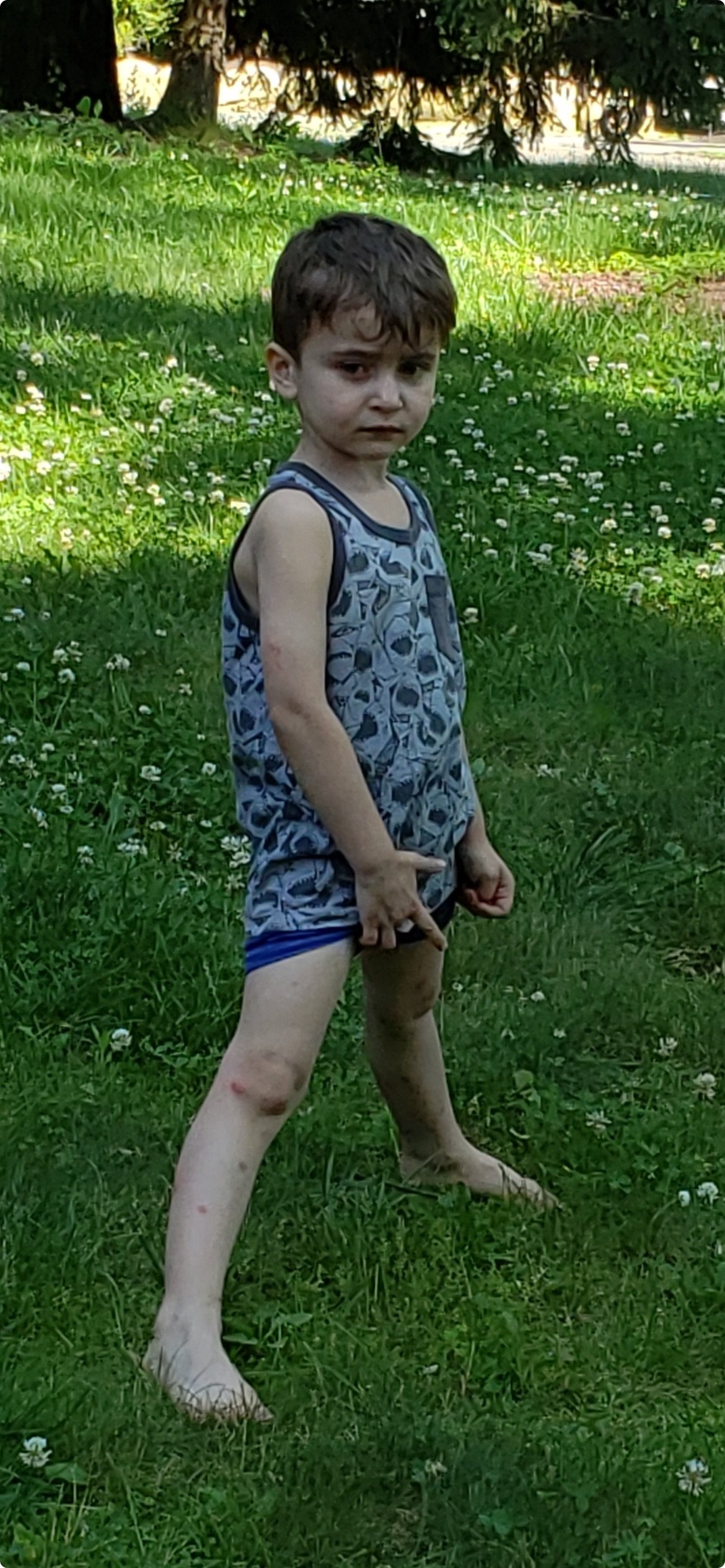
Learning to navigate treatments meant trying everything from topical creams to light therapy and learning that each journey is deeply personal; finding what works takes patience, persistence, and a true partnership with healthcare providers who listen. Before we even reached medical options, our bathroom counter was a lineup of home remedies—Vaseline, tea tree oil, coconut oil—and every night I would gently massage them into Lucas’s skin. One evening, as I warmed the coconut oil in my hands, he looked up with wide eyes and asked, "Mom, are you going to cook me?" We both burst out laughing, and for a moment his humor cut through the worry and reminded us that connection and compassion are as important as any treatment.
The Emotional Side of Psoriasis
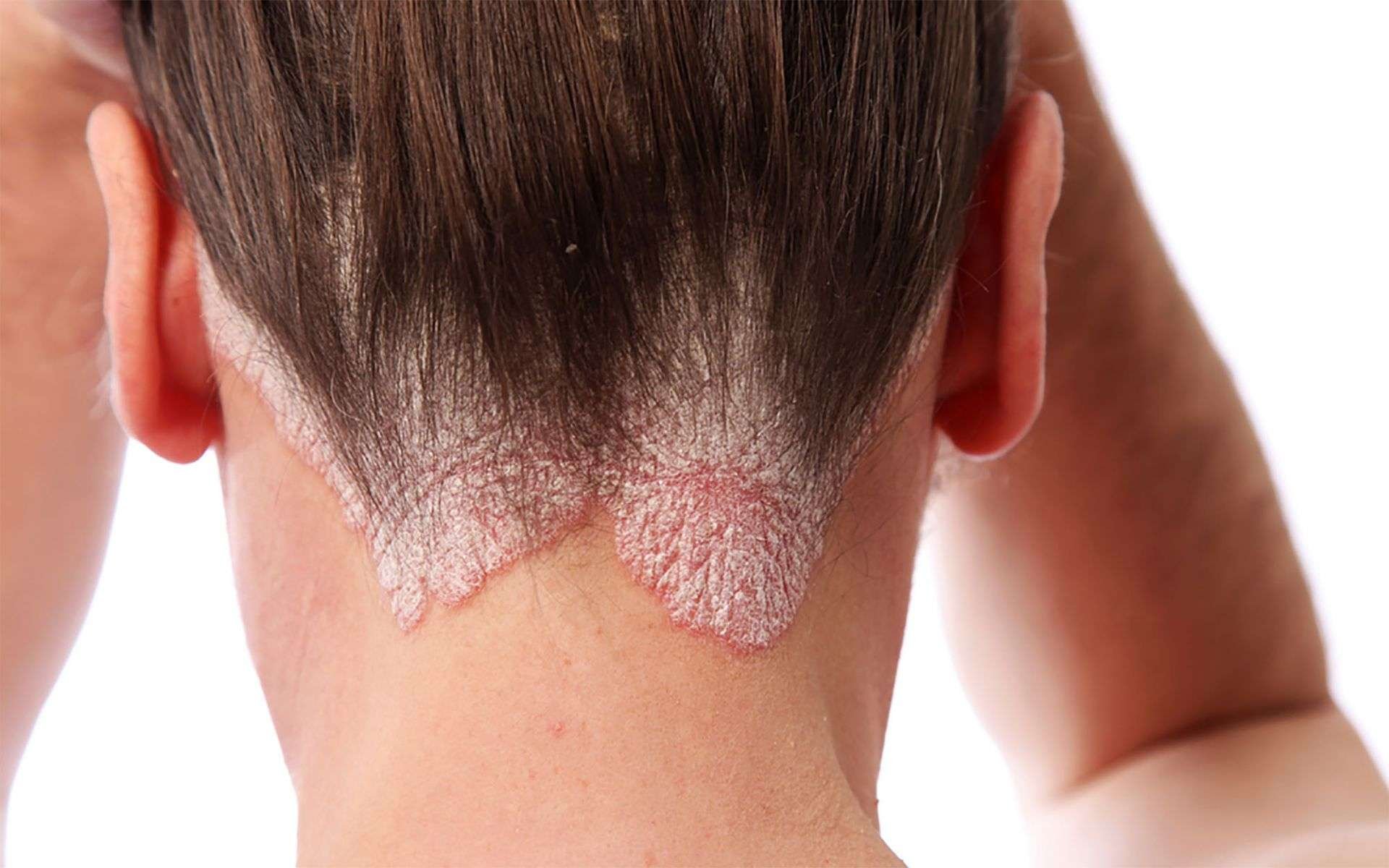
Psoriasis isn’t only a skin condition. For many people it’s a daily load of emotional, physical and financial strain that touches work, relationships and creative life.
Emotional toll
Shame and self-consciousness: Visible plaques and flaking can trigger embarrassment, social withdrawal and avoidance of situations where skin is exposed. That can reduce confidence when networking, presenting, or promoting creative work.
Anxiety and depression: Chronic discomfort, unpredictable flares and the long-term nature of psoriasis increase risk of anxiety and depressive symptoms. Mental health struggles make it harder to sustain motivation for projects or business ventures.
Identity and worth: When psoriasis affects how you see yourself, it can change how you present your story online. You may downplay achievements, avoid photos or filter your voice—limiting the authenticity that builds audience trust.
Physical burden
Pain and itch: Psoriasis lesions can
Our Journey Stories
Hope, healing, and understanding through our family's experience with psoriasis